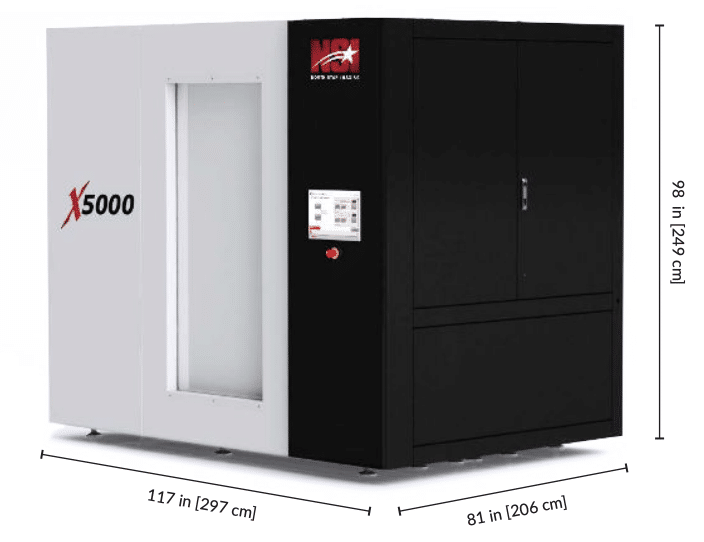

We internally started this series based on a “Will it Scan?” event, where we put random objects into our Northstar X5000 225kV Computed Tomography (CT) scanner and see if our staff can guess what the object is based on the recovered images. The format of this series consists of evidence packages released every Wednesday, each providing a progressively more detailed set of information recovered from the devices. These evidence packages may contain CT images, photographic images, bills of materials, recovered firmware, recovered memory, and more.
This week, we’ll take a look at a new object: Device 003. We spent a little more time scanning this device, which is great from a CT image clarity perspective, but we suspect there may be some immediate correct guesses based solely on Evidence Package 1. As a disclaimer, we did slightly modify some of the images to remove major identifying marks. Because of this, the challenge is not only to identify the generic object, but also the exact make, model, and other identifying details.
Answers and guesses can be sent to: [email protected]
Evidence Package 1 (CT Scans)
Artifacts
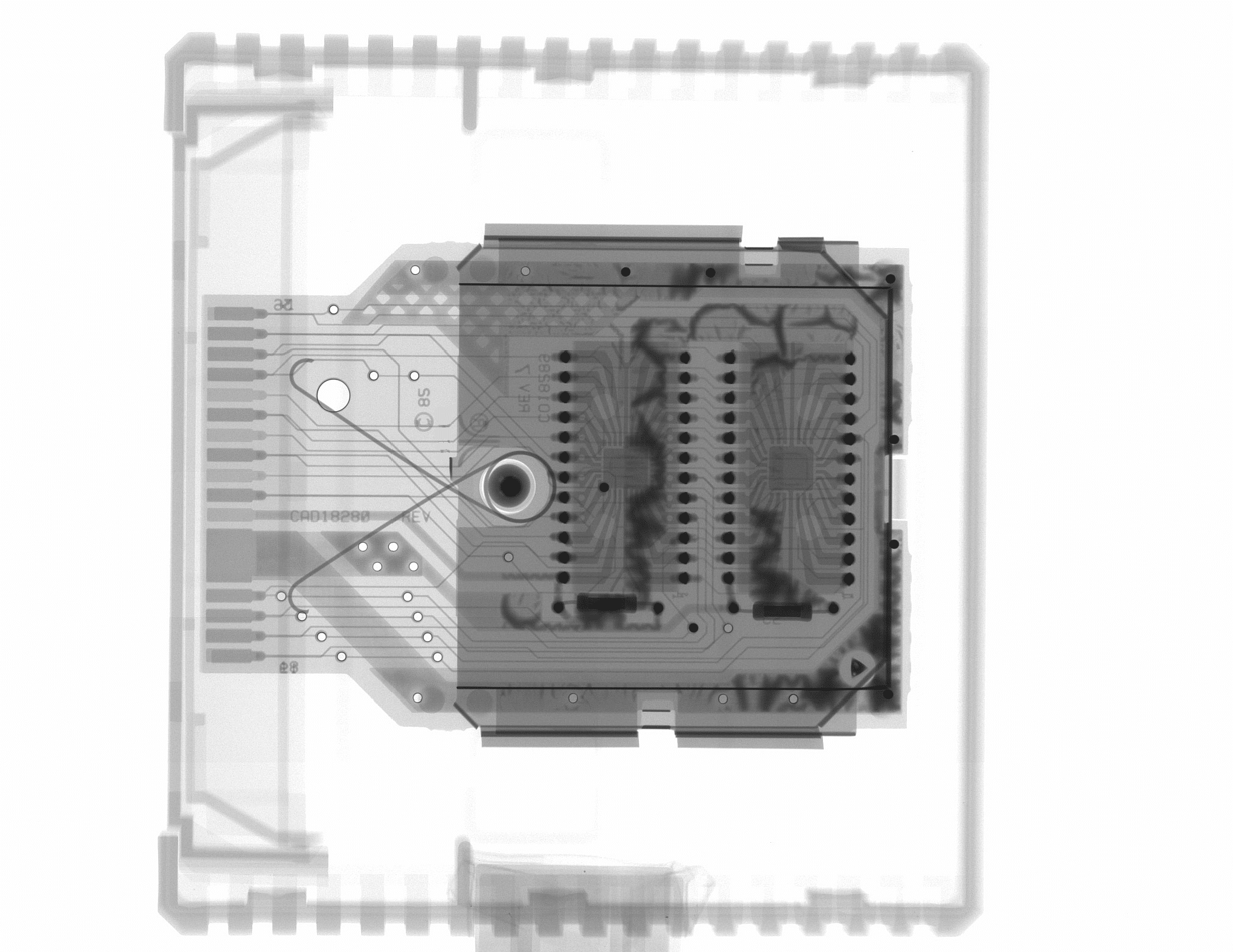
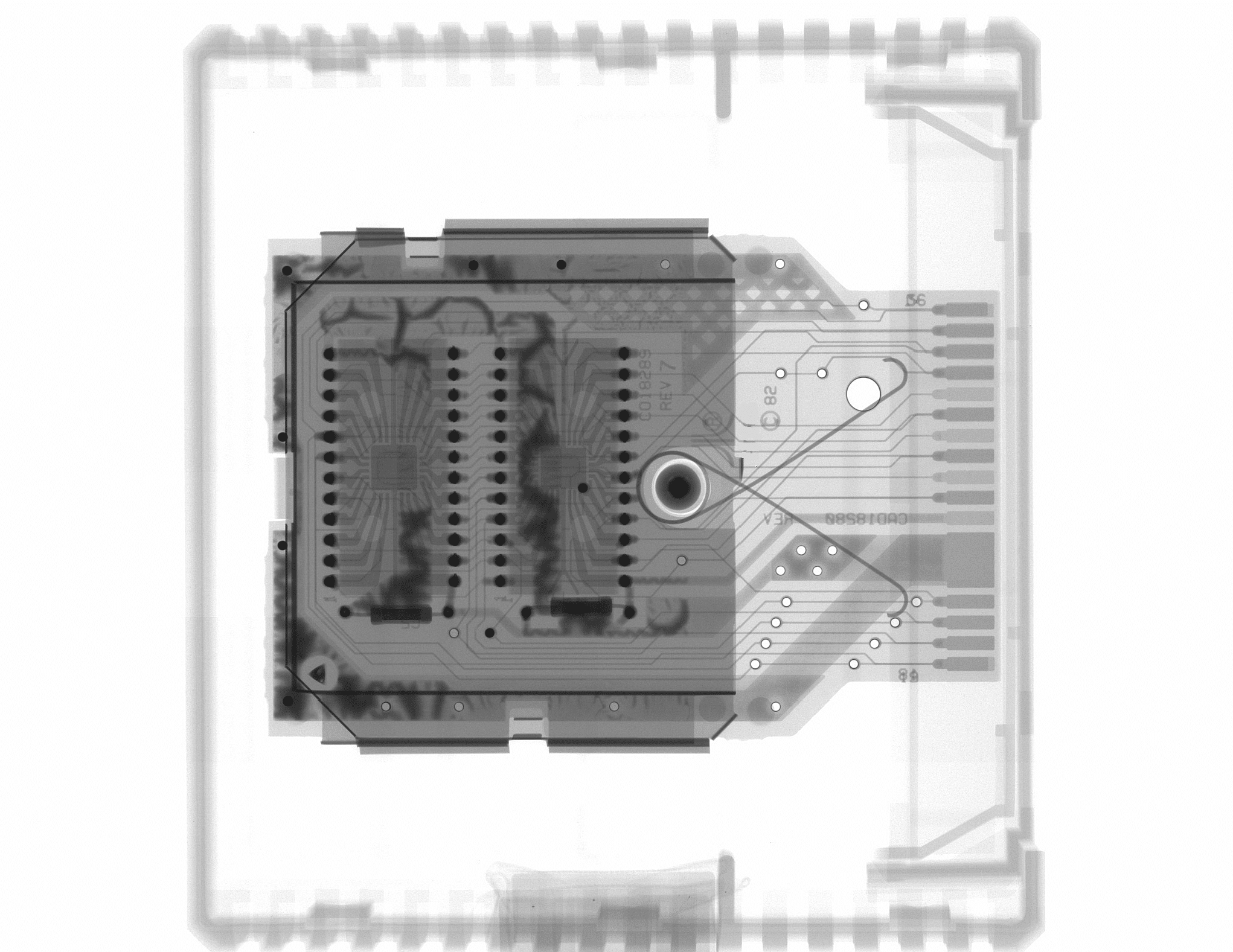
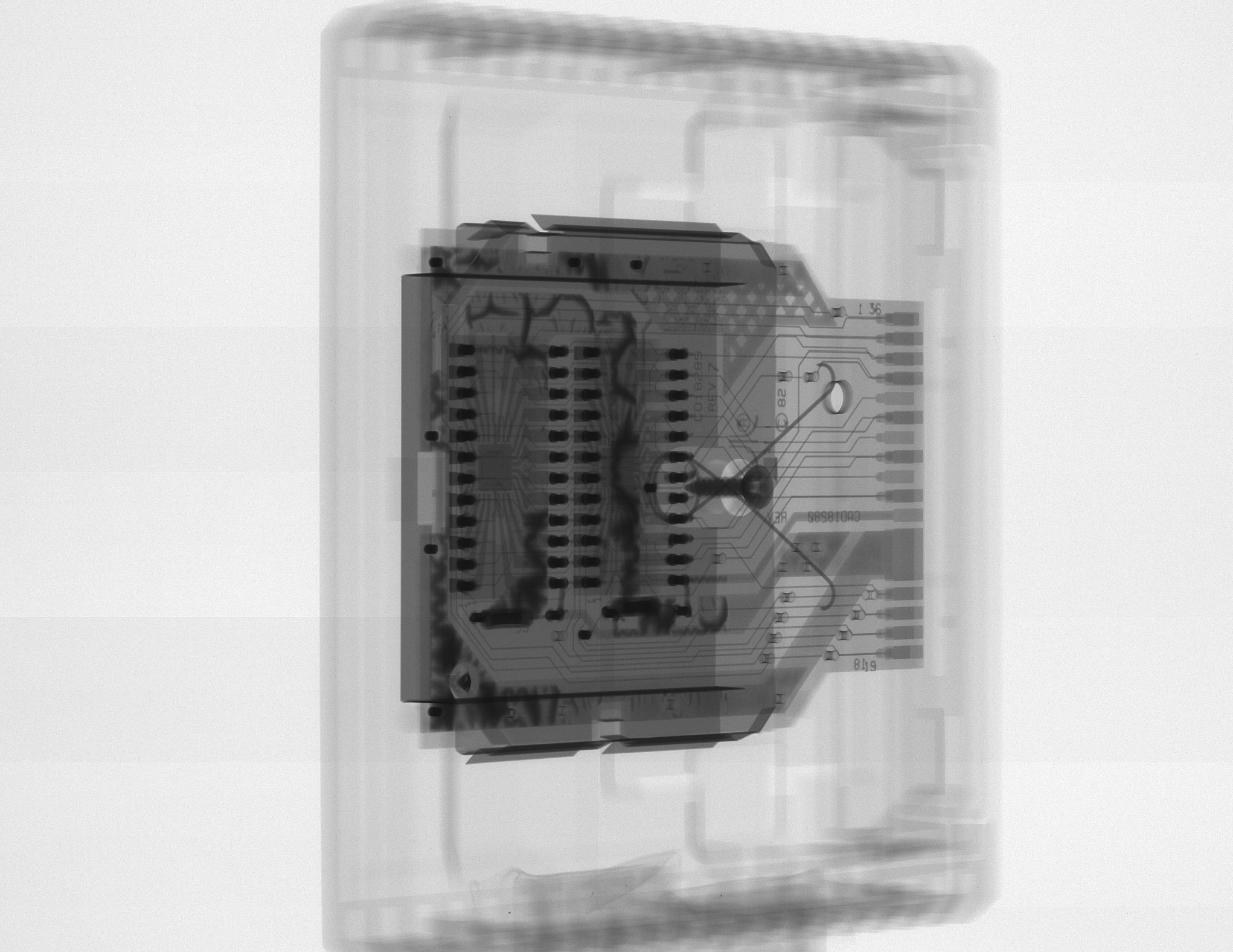
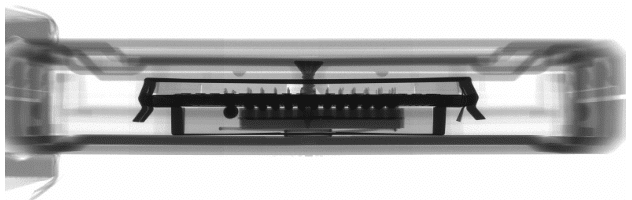
Figures 1, 2, 3, and 4 show raw CT scans that have been converted to PNG images. The device was scanned as it would exist in the real world, meaning it was not removed from its outer packaging. These scans are of the entire device, not just the board. All of the board components remain populated exactly as they were when the device entered the consumer market. There are already open source tools available for automated component, via, and trace recovery, so we’ll keep these images in their raw form this week, allowing you to explore them on your own.
Tooling
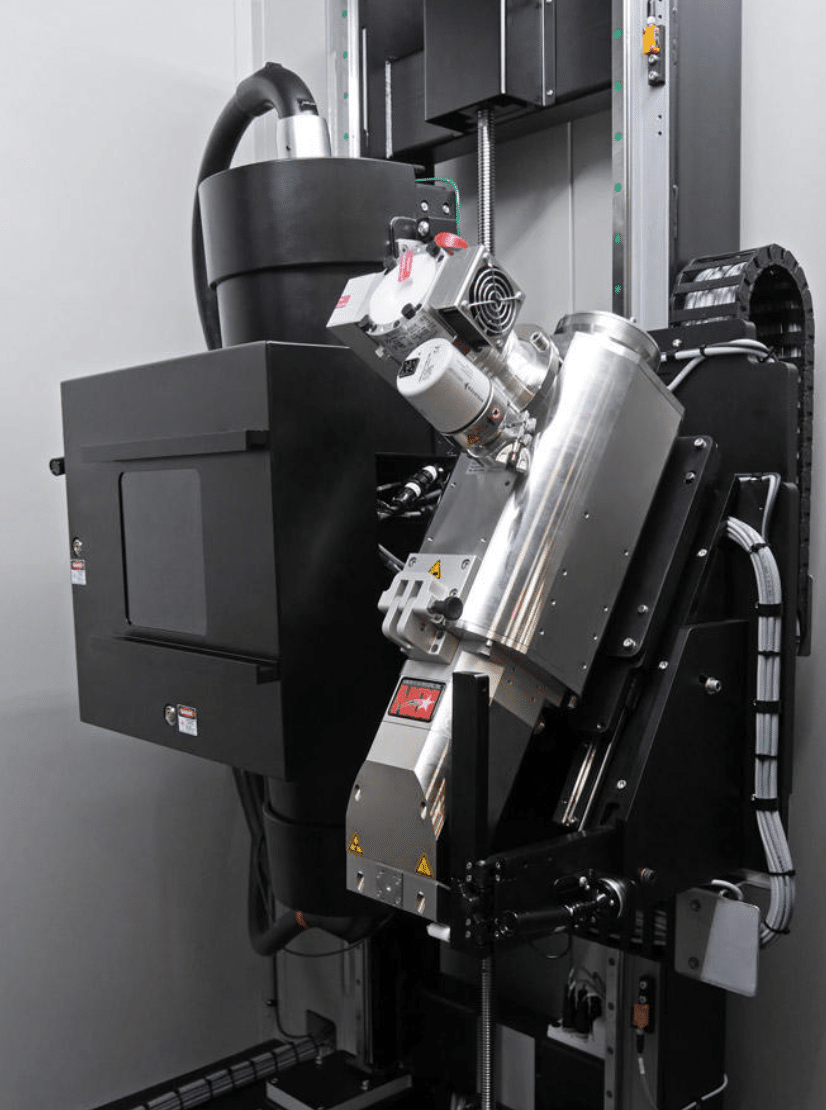
The Northstar X5000 225kV is a multi-axis, high-resolution digital X-ray system that provides advanced real-time 2D digital radiography (DR) and 3D computed tomography (CT) imagery in multiple formats. It integrates powerful CT reconstruction and visualization software that generates user-friendly executables and deliverables. We can scan at resolutions down to 1 µm for CT scans on low-density parts, allowing us to reverse engineer legacy devices with a high degree of non-destructive precision on devices up to a nominal 32 × 48 in. (81 × 121 cm) part envelope. Long gone are the days of using highly toxic chemicals, spending hours on manual test point and trace mapping, or relying on highly destructive de-layering to understand and recover the original electrical schematics.